
Knowing the signs of fascia and soffit damage can save you from a much bigger headache down the road. Catch these issues early and you will protect your home’s structure, curb appeal, and wallet all at once.
What Are Fascia and Soffits (and Why Do They Matter)?
Before jumping into damage signs, it helps to understand what these components actually do. Fascia boards run horizontally along the edge of your roofline. They support your gutters and give your roofline that clean, finished look. Soffits are the panels tucked underneath your roof overhang, bridging the gap between the fascia and your home’s exterior wall.
Together they do a lot of heavy lifting. They keep moisture and pests out of your attic, allow air to circulate through your roof, and help your gutters stay firmly in place. When either one fails, the problems tend to spread quickly.
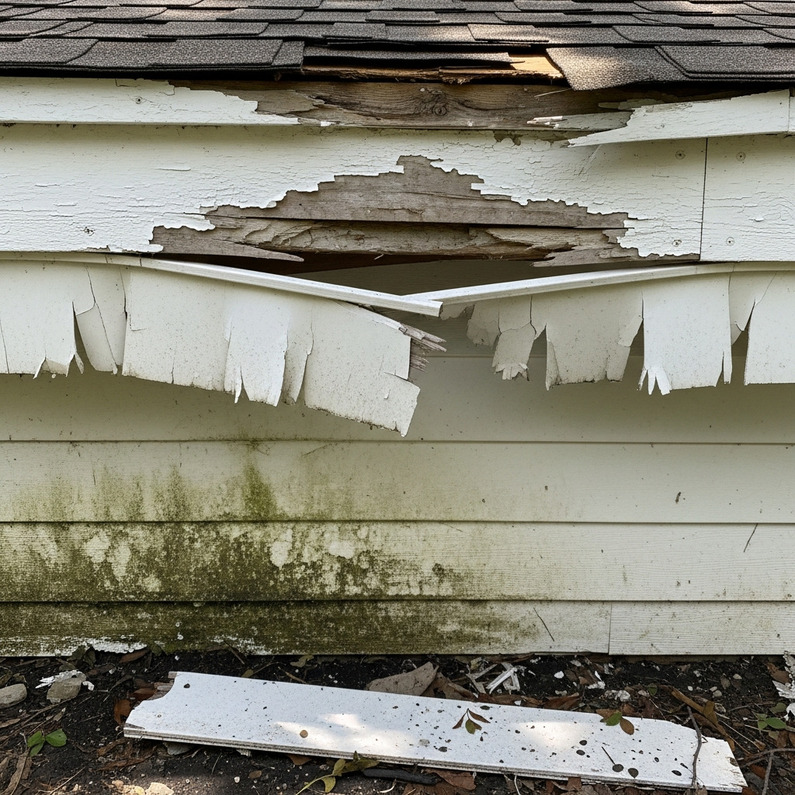
The Most Common Signs of Fascia and Soffit Damage
Peeling or Flaking Paint
Paint does not peel on its own for no reason. When you see paint bubbling, cracking, or flaking off your fascia boards, moisture is almost always the cause. Water gets trapped behind or inside the board and works its way out, taking the paint with it. If the underlying wood is soft or discolored when you poke at it, you are already looking at rot.
This is one of the earliest signs of fascia and soffit damage, so catching it at the paint stage gives you the best chance of a simple repair rather than a full replacement.
Visible Rot or Soft Spots
Rot is wood’s worst enemy. Press your finger or a screwdriver against your fascia or soffit boards. Healthy wood should feel firm and solid. Soft, spongy, or crumbling material means rot has set in. Once rot starts, it spreads, so even a small soft spot warrants a closer look at the surrounding area.
Rot is especially common where gutters have been leaking or overflowing for a while. That steady drip of water saturates the wood beneath and gives moisture a place to linger.
Cracks, Gaps, or Warping
Wood expands and contracts with temperature swings, and over years of Arizona heat and monsoon moisture, boards can warp, crack, or pull away from the roofline. Even small gaps are a problem because they let in insects, birds, and water. Wasps and carpenter bees are particularly fond of these openings.
If you notice your soffit panels sagging or separating at the seams, that is a sign water or pests may have already found their way in.
Staining or Discoloration
Dark streaks, watermarks, or greenish staining on your soffit panels point to moisture problems. Algae and mildew thrive in damp conditions, and their presence on your soffits means something nearby is holding water when it should not be. This kind of discoloration often shows up first along the underside of the roofline where runoff collects.
Pest Activity
Insects and small animals look for any gap or weak point to nest. If you are hearing scratching sounds in your attic, noticing wasp nests along your roofline, or finding small holes chewed into your soffit panels, damaged materials are likely the entry point. Pest damage compounds quickly because animals chew and burrow to widen existing openings.
Gutter Problems Linked to Fascia
Your gutters attach directly to the fascia boards, so when the fascia weakens, your gutters can pull away, tilt, or sag. If your gutters are separating from the house or not draining properly, check the fascia behind them. Damaged fascia often goes undetected because the gutter hides it until the gutter itself starts to fail.
Fascia vs. Soffit: What Goes Wrong Where
| Problem | Where It Shows Up | Common Cause |
|---|---|---|
| Rot and soft spots | Fascia boards | Gutter overflow, trapped moisture |
| Sagging or drooping panels | Soffits | Water intrusion, age |
| Paint peeling | Fascia | Moisture, poor ventilation |
| Staining or mildew | Soffits | Standing water, humidity |
| Pest entry holes | Soffits and fascia | Gaps, cracks, prior damage |
| Gutter pulling away | Fascia | Board failure behind gutter |
When to Repair vs. When to Replace
| Situation | Recommended Action |
|---|---|
| Peeling paint, no soft spots | Clean, prime, and repaint |
| Small isolated soft spot (under 12 inches) | Spot repair with epoxy filler |
| Rot spreading across multiple boards | Full board replacement |
| Pest damage with entry holes | Replace affected sections, seal openings |
| Sagging soffits with water staining | Replace panels, address moisture source |
| Gutters pulling away from roofline | Inspect and replace fascia, rehang gutters |
If you are unsure which category your situation falls into, a professional inspection takes the guesswork out of it. A contractor experienced in local climate factors can help you make the right call. Learn more about Fascia & Soffit Installation in Prescott: What Homeowners Should Know.
How Weather in Prescott Affects Fascia and Soffits
Prescott homeowners deal with a climate that is hard on exterior wood. You get intense UV exposure that dries and cracks painted surfaces, monsoon rains that push moisture into every gap, and cold winters that cause wood to contract and expand repeatedly. That cycle takes a real toll over time.
Homes in the area that were built with wood fascia are especially vulnerable. Many homeowners in Prescott are now switching to aluminum or vinyl options during replacement because these materials do not rot, do not need painting, and hold up better against the regional weather swings.
If your home is more than 10 to 15 years old and the fascia and soffits have never been inspected, it is worth a look before the monsoon season starts.
How to Do a Quick Visual Inspection Yourself
You do not need to climb on the roof to do a basic check. From the ground with a pair of binoculars or a camera with zoom, look for:
- Any paint that appears bubbled, chalky, or peeled
- Boards that look bowed or warped along the roofline
- Dark staining or discoloration under the roof overhang
- Gaps where panels meet or where the soffit meets the wall
- Signs of pest nests along the eaves
After a heavy rain is a great time to walk the perimeter of your house and look for water running down the exterior walls or dripping from places other than your gutters. That kind of runoff is a red flag that something in the roofline system is not working right.
For a full inspection that gets into the details, check out the services offered through Fascia & Soffit Installation.
Frequently Asked Questions
Protect Your Roofline Before Small Signs of Fascia and Soffit Damage Turn Into Big Problems
Spotting these warning signs early gives you options. You can choose a targeted repair, plan a replacement on your timeline, and avoid the kind of emergency call that comes with a failed roofline in the middle of monsoon season. The longer damage goes unaddressed, the more it spreads to surrounding wood, insulation, and structural framing.
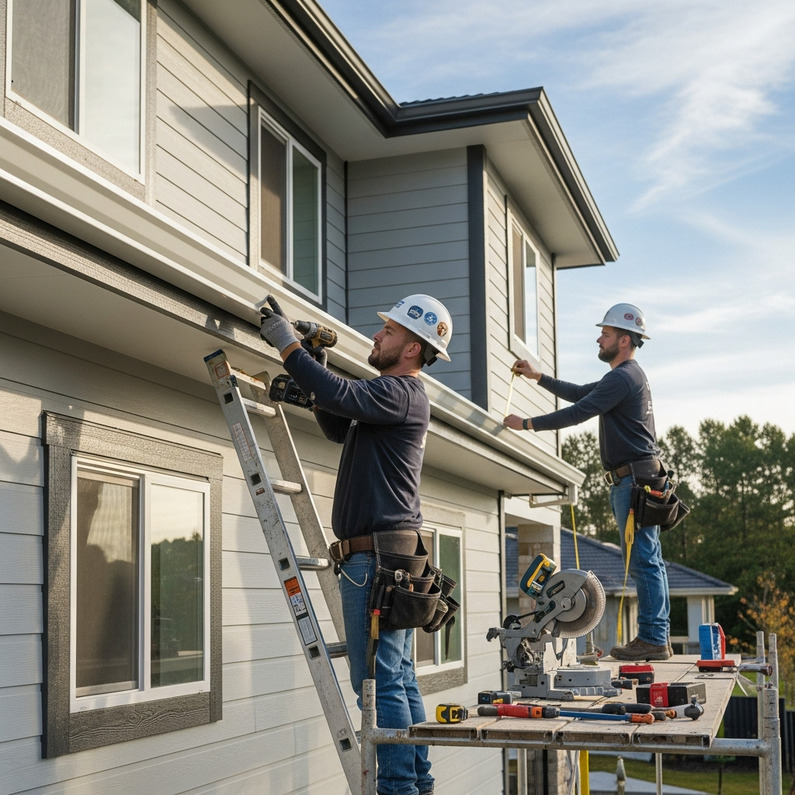
If you are a Prescott homeowner and you have noticed any of the warning signs covered here, Willbuilt Seamless Gutters is the team to call. They specialize in fascia and soffit installation and replacement throughout the Prescott area, and they understand exactly how local climate conditions affect your home’s exterior. Whether you need a quick inspection or a full replacement, Willbuilt brings the experience and craftsmanship to get it done right. Reach out today and protect your home before the next storm season arrives.